Written by the Estrella Gardens team
Quick Answer
Fall prevention for seniors starts with three things families can do this week: remove trip hazards at home, review medicines and vision with a doctor, and keep your parent active with strength and balance exercise. More than one in four adults age 65 and older falls each year, according to the CDC. If falls keep happening even after those changes, it may be time to talk about assisted living in Las Vegas.
Why do falls matter so much for older adults?
Falls are common, often hidden and can change a life quickly. The CDC reports that more than one out of four older people falls each year, but less than half tell their doctor. Falling once doubles the chance of falling again.
Many falls cause no injury. Still, the CDC notes that about 37% of older adults who fall report an injury that needed medical treatment or limited their activity for at least a day. Falls can cause broken wrists, arms, ankles and hips, and they are the most common cause of traumatic brain injuries in older adults.
There's also a quieter effect. Many people become afraid of falling after a fall, even one with no injury. They cut back on walking, errands and visits. Less activity leads to weaker muscles, and that raises the risk of the next fall.
What makes a senior more likely to fall?
Most falls come from several risk factors working together, and many of them can be changed. The CDC and the National Institute on Aging (NIA) list these common ones:
- Lower body weakness and problems with walking or balance
- Medicines that cause dizziness or confusion, including some sedatives, antidepressants and even some over-the-counter products
- Vision or hearing changes
- Foot pain or unsafe shoes, such as backless shoes or high heels
- Blood pressure that drops when standing up (postural hypotension)
- Conditions that cause rushed trips to the bathroom, such as incontinence
- Mild cognitive impairment or some types of dementia
- Home hazards: clutter, throw rugs, poor lighting and broken or uneven steps
The more risk factors a person has, the higher the chance of a fall. That's why the most effective plans address several at once.
How can you make a parent's home safer, room by room?
Start with a slow walk through the home at night as well as during the day. NIA's room-by-room checklist (Preventing Falls at Home) is a good guide. Here are its key points.
Floors, hallways and stairs
- Remove throw rugs and small area rugs, and make sure carpets are fixed firmly to the floor.
- Keep walkways clear of shoes, papers, cords and low furniture such as coffee tables.
- Put secure handrails on both sides of any stairs, with light switches at the top and bottom.
- Consider plug-in, motion-activated lights along the path from bed to bathroom.
Bathroom
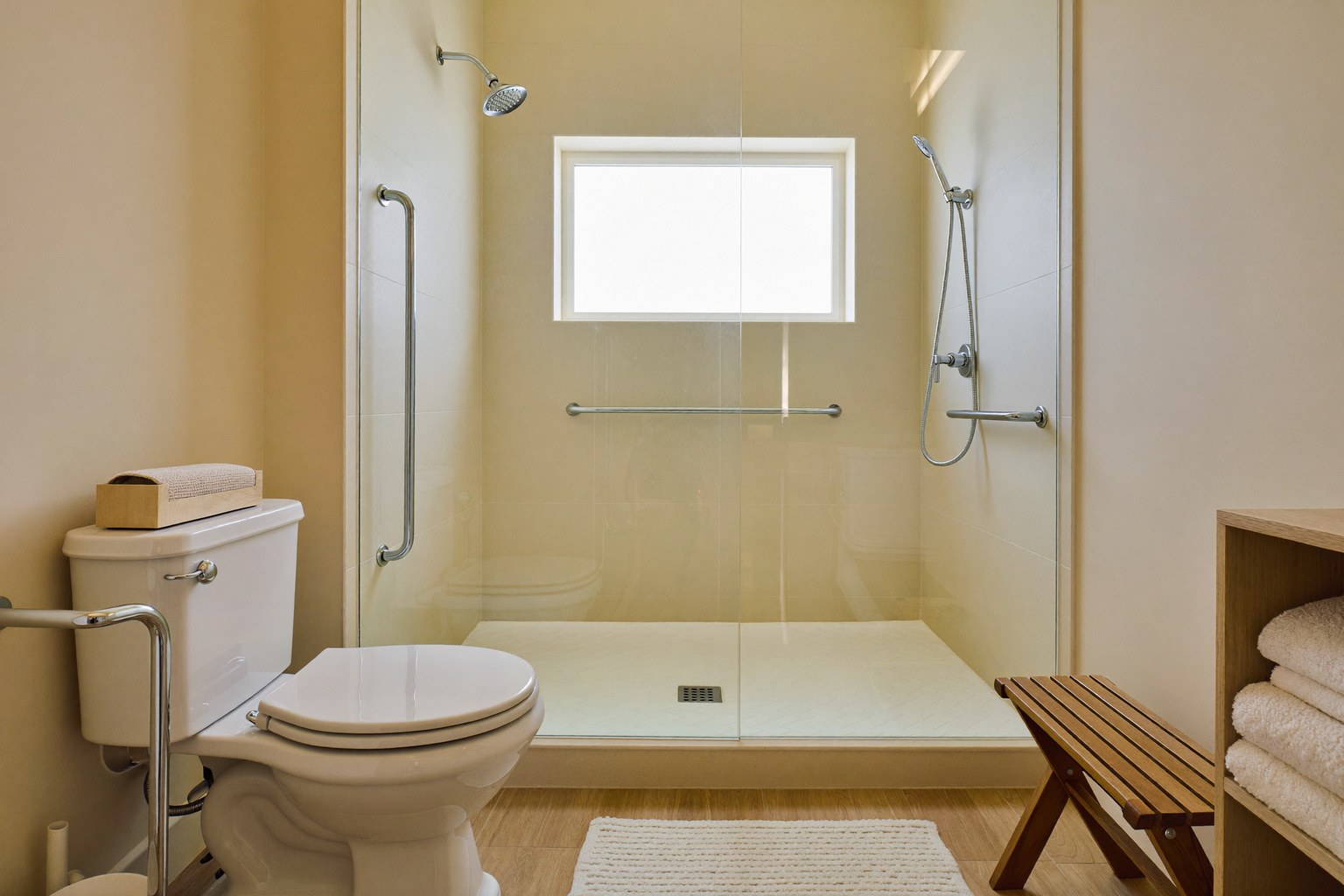
- Install grab bars near the toilet and on both the inside and outside of the tub or shower.
- Use nonskid mats or strips on any surface that may get wet.
- Leave a light on at night, or use a night light that turns on automatically.
Bedroom
- Keep night lights and light switches close to the bed, plus a flashlight in case the power goes out.
- Keep a landline or well-charged phone near the bed.
Kitchen and living areas
- Keep items you use often at waist level or within easy reach, so no one needs a step stool or chair to reach them.
- Clean up spills right away.
- Make sure chairs and sofas are a comfortable height to get in and out of.
- Know where pets are. A dog or cat underfoot is an easy way to trip.
Outside the front door
- Repair broken or uneven steps and add non-slip material to outdoor stairs.
- Keep the porch and walkway clear of debris.
- Turn on the porch light before dark.
If your parent has already fallen, ask their doctor whether an occupational therapist, physical therapist or nurse can visit to assess the home. NIA notes this is a common recommendation after a fall.
What health steps help prevent falls?
Home changes help, but health habits matter just as much. NIA recommends these steps:
- Stay active. Regular exercise builds muscle and keeps joints flexible. Balance and strength activities such as yoga, Pilates or tai chi can help.
- Review medicines. Ask the doctor or pharmacist about the side effects of every medicine, since some cause dizziness or confusion. Our guide to medication management for seniors covers how to keep track.
- Check eyes and hearing. Vision and hearing changes can make falls more likely.
- Stand up slowly. Getting up too fast can make blood pressure drop and cause unsteadiness.
- Wear safe shoes. Choose shoes that fit well, have nonskid soles and low heels, and avoid backless shoes and high heels.
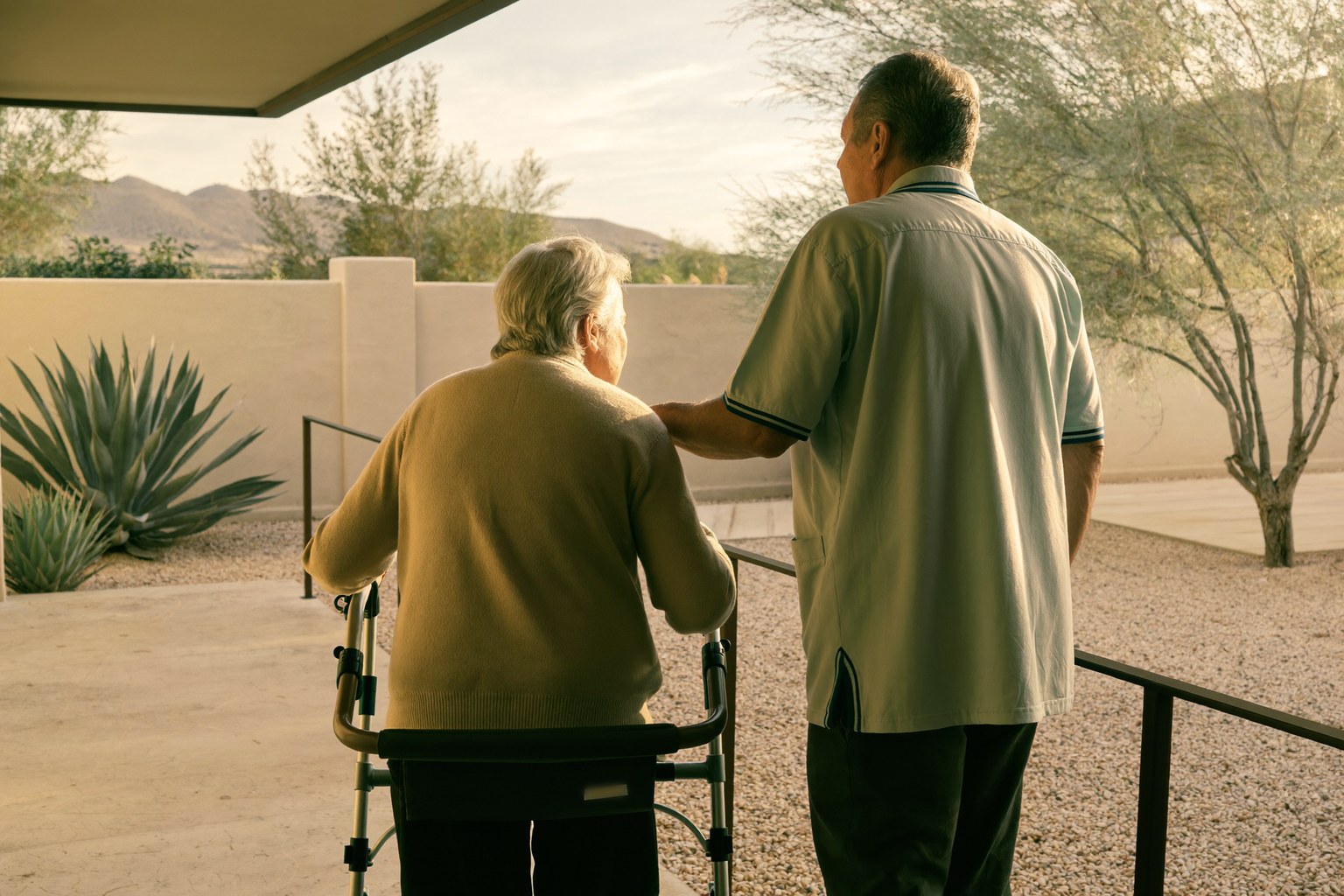
- Use walking aids correctly. Use an assistive device if you need help feeling steady when you walk, and ask a physical or occupational therapist about the right size and how to use it.
- Tell the doctor about every fall, even one without pain. A fall can point to a new health problem or a medicine issue.
What should your parent do if they fall?
Staying calm and getting up the right way can prevent a second injury. NIA suggests this sequence:
- Take a few deep breaths and stay still for a moment.
- Decide whether you're hurt before trying to move.
- If it seems safe, roll onto your side, rest, then get onto hands and knees and crawl to a sturdy chair.
- Slowly rise into the chair from a kneeling position.
- If you're hurt or can't get up, call for help or 911.
Make it easy to call for help. A charged mobile phone carried around the house, a medical alert button or a smartwatch with fall detection can all help. NIA notes that emergency response systems charge a fee that usually isn't covered by insurance.
When is home no longer the safest place?
Sometimes a family does everything right and the falls continue. That can be a sign the person needs more daily support than home can safely give.
Talk with your parent and their doctor if you notice:
- More than one fall, or near-falls, in a few months
- Bruises or injuries your parent can't explain
- Fear of falling that keeps them from bathing, cooking or leaving the house
- Trouble getting to the bathroom in time, especially at night
- Mixed-up medicines or missed doses
- Confusion or memory changes that make safety rules hard to follow
- Long stretches alone with no one to help after a fall
These signs overlap with other changes families often notice. Our list of signs your elderly loved one needs help can help you see the bigger picture.
Not sure which level of care fits?
Our care assessment helps you identify the level of care that fits your parent's daily needs. It takes about 4 minutes, with no obligation and no sales calls.
How does a family-style assisted living home support safer days?
A small, home-like setting can combine daily support with familiar routines. At Shadowleaf at Estrella Gardens in Las Vegas, the home is wheelchair accessible. Caregivers help residents with daily tasks such as mobility, eating, exercising and grooming, and escort residents to and from meals and activities.
Each resident has access to a nurse call system. Outdoor time is part of daily life too, with a wraparound patio that has a safety railing and a backyard with a park-like feel. Estrella Gardens is owned and operated by a registered nurse, and the home has a registered nurse and caregivers on the team.
No setting can promise that a fall will never happen. The goal is to lower the risks, notice changes early and make sure help is close by. When you tour, ask how the team helps with mobility, how night-time bathroom trips are handled and what happens if a resident falls. Our list of questions to ask on an assisted living tour can help you prepare.
Frequently asked questions
How common are falls in older adults?
Very common. The CDC says more than one out of four people age 65 and older falls each year, and less than half tell their doctor. Falling once doubles the chance of falling again.
What is the most important fall prevention step for seniors?
There isn't just one, because most falls have several causes. The biggest gains usually come from combining strength and balance exercise, a medicine review, an eye check and removing hazards at home.
Should my parent see a doctor after a fall if they feel fine?
Yes. NIA advises telling the doctor about any fall, even without pain. The CDC adds that an older adult who falls and hits their head should see a doctor right away, especially if they take blood thinners.
Where can Las Vegas families find local fall prevention help?
Ask your parent's doctor about a home safety visit or physical therapy. You can also search the national Eldercare Locator at eldercare.acl.gov or call 800-677-1116 to find your local Area Agency on Aging and ask about fall prevention or home modification programs near you.
Can someone who uses a wheelchair or walker live in assisted living?
It depends on the person's needs and the home. Shadowleaf is wheelchair accessible, and caregivers help residents with mobility. A care assessment and a tour are the best next steps.
Sources
This article is general information, not medical, legal, or financial advice. Talk with your physician or a qualified professional about your family's situation.
Ready to see Estrella Gardens for yourself?
If falls or safety worries are on your mind, come see Shadowleaf in person. Schedule a tour or call 702-577-2637 to talk with our team. There's no pressure and no obligation.
Ready to see Estrella Gardens for yourself?
Serving families across the Las Vegas Valley with family-style assisted living, memory care, and respite care.


