Quick Answer
Assisted living vs. home care comes down to where help happens. Home care brings it to your parent's own house. Assisted living puts daily help, meals and supervision in one residential home. Home care often fits when a few tasks need help and the house is safe. Assisted living often fits when needs grow, falls or missed medicines start, or caregivers are worn out.
What is the difference between assisted living and home care?
Home care means personal help delivered at home. The National Institute on Aging (NIA) says most home-based care is personal care: help with everyday activities such as bathing, dressing, eating and taking medicines, plus supervision to make sure a person is safe. Family and friends often provide it first. Many families later add paid aides.
Assisted living is a residential option. NIA describes it as being for people who need help with daily care, but not as much help as a nursing home provides. Residents usually have their own room, share common areas and receive services such as meals, personal care, help with medicines, housekeeping and laundry.
One more term causes confusion. "Home health" is not the same as home care, so assisted living vs. home health is a different comparison. Home health is skilled care at home, such as nursing or therapy. For Medicare coverage, a doctor or other authorized health care provider, such as a nurse practitioner, must order it, and a Medicare-certified agency must provide it. Many agencies use "home care" and "home health" loosely, so ask any provider exactly what it means by each word.
Assisted living vs. home care: how do they compare at a glance?
The table below uses NIA and Medicare.gov descriptions of each option. Details vary by provider and by home, so use it as a starting point for questions.
| Home care | Assisted living |
|---|
| Where | Your parent's own home | A residential home or community |
|---|
| Help with daily tasks | Visits or shifts that you arrange | Help with personal care built into daily life |
|---|
| Meals and housekeeping | Arranged separately, such as meal delivery or a housekeeper | Typically included (NIA lists up to three meals a day, housekeeping and laundry) |
|---|
| Medicines | Reminders or help from an aide, depending on the provider; for Medicare-covered home health, an authorized provider must order nursing or therapy visits | NIA lists help with medicines as a typical service |
|---|
| Supervision | Only while someone is there | NIA lists 24-hour supervision and on-site staff as typical |
|---|
| Social life | Depends on visits, outings or adult day programs | Common areas and activities |
|---|
| Paying for it | Paid home-care costs vary by provider and hours; Medicare may cover eligible home health | Most people pay themselves; Medicare doesn't cover assisted-living room and board or non-medical custodial care, though eligible covered medical services may still be covered (NIA, Medicare.gov) |
|---|
When can home care be the better fit?
Home care can be the better fit when your parent needs help with a few tasks, the home is safe and the support is steady. NIA notes that most people prefer to stay in their own home for as long as they can, and calls that "aging in place."
If your parent wants to stay put, start with small supports. NIA lists several that families can add one at a time:
- Meal delivery programs
- Rides to appointments and errands
- Friendly visitors or regular check-ins from family and neighbors
- An emergency medical alert system
- Adult day care, which also gives family caregivers a break
- A geriatric care manager, usually a licensed nurse or social worker, who helps plan care
Our guides to senior care options in Las Vegas and trusted elder care cover in-home help in more detail. If you're searching for senior home care in Las Vegas, ask each agency who the aides are, how often they visit and what happens when the usual aide is out.
NIA also gives a fair warning: living at home as you age takes careful consideration and planning. There may come a time when it's no longer safe or comfortable to live alone, so plan to revisit the decision as needs change.
When is home care no longer enough?
Home care is no longer enough when the help your parent needs is more than the hours you can arrange, or when the risks show up in the hours no one is there. No single sign settles it. A pattern across several of them is what matters.
NIA suggests looking at these areas when you visit:
- Meals and the kitchen: Can your parent prepare meals on a stove safely? Is there enough food in the house?
- Personal care: Are they bathing regularly and wearing clothes that suit the weather?
- The home itself: Is it reasonably clean and free of clutter?
- Medicines: Do they have the medicines they need, and are they taking them regularly?
- Health changes: Significant weight gain or loss, confusion, falls, trouble walking or getting around, and loneliness or isolation.
- Memory and mood: Occasional forgetfulness is normal. More serious memory problems, changes in thinking or personality, or poor decisions call for a doctor's visit.
Falls deserve special attention. Our fall prevention guide explains what to try at home first. Our list of signs your elderly loved one needs help can help you see the wider picture.
Family caregiver strain counts too. NIA says caring for an older adult can be demanding and stressful, and that it's important to take a break when you need one. If you're running on empty, respite care can give you a rest while your parent gets support.
If someone says they feel hopeless or have no reason to live, get help right away. Call or text 988, the 24-hour Suicide & Crisis Lifeline, or call 911 in an emergency.
What does assisted living add day to day at Shadowleaf?

Shadowleaf at Estrella Gardens is a family-style residential assisted living home in Las Vegas. It's a community of up to ten residents, based on the house's size and local or state regulations, with private or shared rooms (one or two residents per room). Here is what the home lists for daily life:
- All meals and snacks
- Housekeeping and laundry
- Caregivers who help with daily tasks such as mobility, eating, exercising and grooming
- Escort to and from meals and activities
- A nurse call system for each resident
- Activities with a director
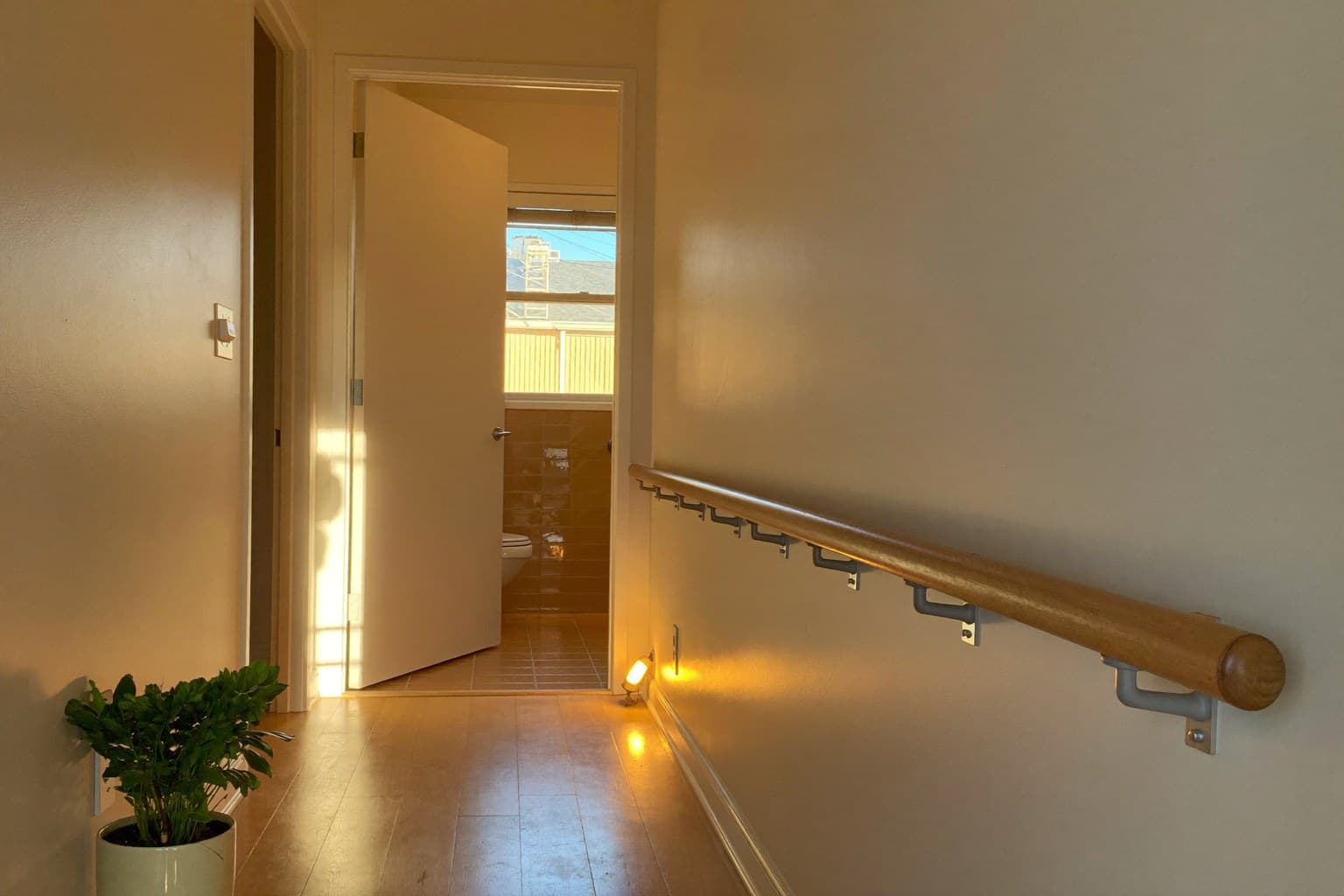
- A wheelchair-accessible home with a patio that has a safety railing, and a backyard
- Family and friends welcome anytime
Estrella Gardens is owned and operated by a registered nurse, and the home has a registered nurse and caregivers on the team. You can read more on our Shadowleaf community page.
Assisted living isn't the right answer for everyone. If your parent needs more medical care than a residential assisted living home provides, talk with their doctor about the best setting. NIA notes that nursing homes focus more on medical care than assisted living does.
Not sure which level of care fits?
Our care assessment helps you identify the level of care that fits your parent's daily needs. It takes about 4 minutes, with no obligation and no sales calls.
How do the costs and payment sources compare?
Costs vary a lot by provider and by how many hours of help are needed, so compare the full picture, not just one number. For home care, ask how many hours your parent needs each week, including nights, and what the provider charges for each. For assisted living, ask what the monthly fee includes and what costs extra.
A few payment facts come from federal sources:
- Medicare doesn't cover most long-term care, which Medicare.gov describes as mostly non-medical help with everyday activities. That applies at home, in the community and in assisted living. Eligible covered medical services may still be covered while a person lives in assisted living.
- Medicare covers some home health services only when you need part-time or intermittent skilled care, such as skilled nursing or eligible therapy, you're homebound and an authorized health care provider orders the care. It doesn't pay for 24-hour care at home, home meal delivery, homemaker services unrelated to your care plan, or custodial or personal care when that's the only care you need.
- Medicaid may cover some aspects of assisted living or home care, depending on the state and whether the person is eligible. Long-term care insurance may also help, depending on the policy.
Ask every home or agency you consider which payment sources it accepts, and get the answer in writing. For Shadowleaf, you can request availability and pricing.
How can your family decide?

The home care vs. assisted living choice rarely has to happen in one conversation. Take it one step at a time, and keep your parent in the conversation. NIA says the best way to know what someone needs is to ask them directly, then fulfill their wishes where you can.
- Ask your parent first. Mention your concern without sounding critical, and ask what feels hardest.
- List the daily needs. Write down what your parent needs help with: bathing, meals, medicines, getting around, getting out of a chair, nights.
- See their doctor. Ask about health changes and whether a home health referral makes sense.
- Try the simplest support that covers the need. Add one of the supports from the list above, then check back in a few weeks.
- Tour a home. Seeing the daily routine often answers questions a brochure can't. Our list of questions to ask on an assisted living tour can help you prepare.
- Plan to revisit. Needs change, and so can the answer.
Frequently asked questions
Is assisted living the same as home health care?
No. Home health is skilled care, such as nursing or therapy, delivered at home. For Medicare coverage it must be ordered by a doctor or other authorized provider. Assisted living is a residential option that provides daily personal care, meals and supervision.
Does Medicare pay for assisted living or home care?
Medicare doesn't cover assisted-living room and board or non-medical custodial care, and it doesn't pay for most long-term personal care. Eligible covered medical services may still be covered for someone living in assisted living, and Medicare covers limited home health services when you meet its rules. Check Medicare.gov or call 800-633-4227 about your parent's situation.
Can my parent try assisted living for a short time?
Some homes offer short stays. Shadowleaf lists respite care for short-term stays during recovery or when a family needs a break. Ask about availability and what a short stay includes.
How do I know it's time to move from home care to assisted living?
Look for a pattern: falls or near-falls, missed medicines, unsafe cooking, trouble with bathing or toileting, weight changes, confusion, loneliness or a caregiver who is exhausted. Talk with your parent and their doctor about what you see.
Where can Las Vegas families get independent help comparing options?
The national Eldercare Locator (800-677-1116) connects families with local services, including your Area Agency on Aging. Nevada's Health Care Quality and Compliance site also has a Find a Health Facility search and a complaints page, so you can look up a home you're considering.
Sources
- National Institute on Aging, "What Is Long-Term Care?" (content reviewed October 12, 2023): https://www.nia.nih.gov/health/long-term-care/what-long-term-care
- National Institute on Aging, "Services for Older Adults Living at Home" (content reviewed October 12, 2023): https://www.nia.nih.gov/health/caregiving/services-older-adults-living-home
- National Institute on Aging, "Long-Term Care Facilities: Assisted Living, Nursing Homes, and Other Residential Care" (content reviewed October 12, 2023): https://www.nia.nih.gov/health/assisted-living-and-nursing-homes/long-term-care-facilities-assisted-living-nursing-homes
- National Institute on Aging, "Does an Older Adult in Your Life Need Help?": https://www.nia.nih.gov/health/caregiving/does-older-adult-your-life-need-help
- Medicare.gov, "Home health services": https://www.medicare.gov/coverage/home-health-services
- Medicare.gov, "Long-term care": https://www.medicare.gov/coverage/long-term-care
- Eldercare Locator (U.S. Administration for Community Living): https://eldercare.acl.gov/home
- Nevada Health Care Quality and Compliance, "Find a Health Facility": https://www.hcqc.nv.gov/find-a-health-facility/
This article is general information, not medical, legal, or financial advice. Talk with your physician or a qualified professional about your family's situation.
Ready to see Estrella Gardens for yourself?
If you're weighing home care against assisted living, come see Shadowleaf in person. Schedule a tour or call 702-577-2637 to talk with our team. There's no pressure and no obligation.